
The thermostat schedule painter.
Choose a season, pick a brush and paint your week hour by hour: home, away or sleep. Watch the setpoints on a chart and read a rule-of-thumb saving. Free, with no signup.
- Weekdays and weekends
- Cooling and heating seasons
- Free, no signup
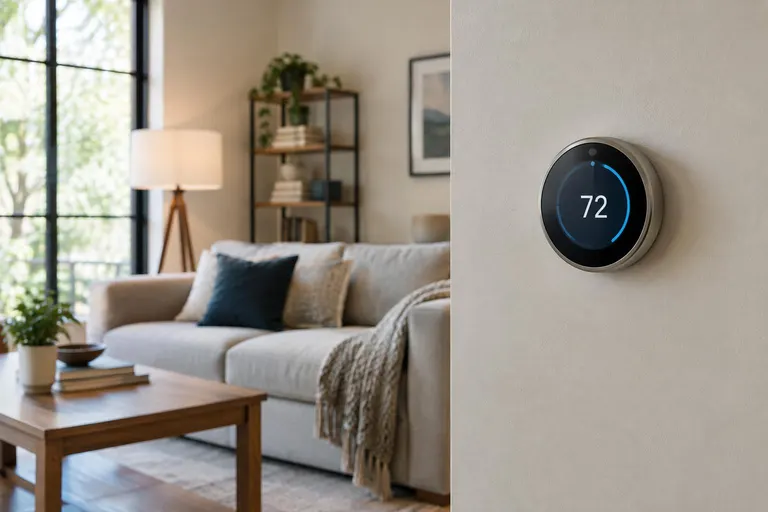
A common rule of thumb is about one percent saved per degree of setback held for eight hours. Real savings depend on the house and the equipment.
Schedule tips
- Heat pumps and variable-speed systems like small, gradual changes, so go easy on big setbacks.
- Start recovery before you wake up or get home so the house is comfortable when you arrive.
- A smart thermostat can learn this for you, and our crew can set it up.
Saved. Your choices will travel with the estimate form below.
Four ideas behind every setback.
Setbacks save
Letting the house drift a few degrees while nobody is home saves energy.
Recovery matters
Start recovery before you arrive so the house is comfortable when you walk in.
Not every system likes big swings
Heat pumps and variable-speed systems do best with small, gradual changes.
Nights count
Sleeping a degree or two cooler or warmer often feels better and saves too.
Learn more about each one.
Thermostats and EfficiencySmart Thermostat InstallationSmarter control, correctly wired.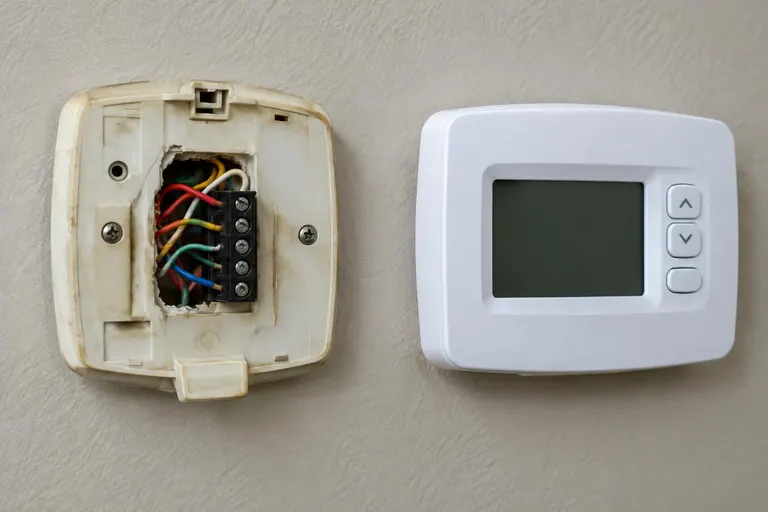 Thermostats and EfficiencyThermostat Repair and ReplacementSmall part, big difference.
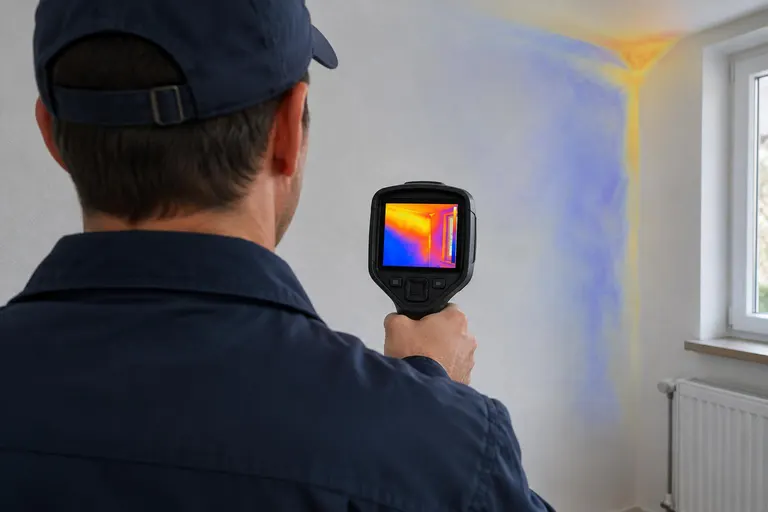 Thermostats and EfficiencyHVAC Efficiency UpgradesFix the biggest leak first.
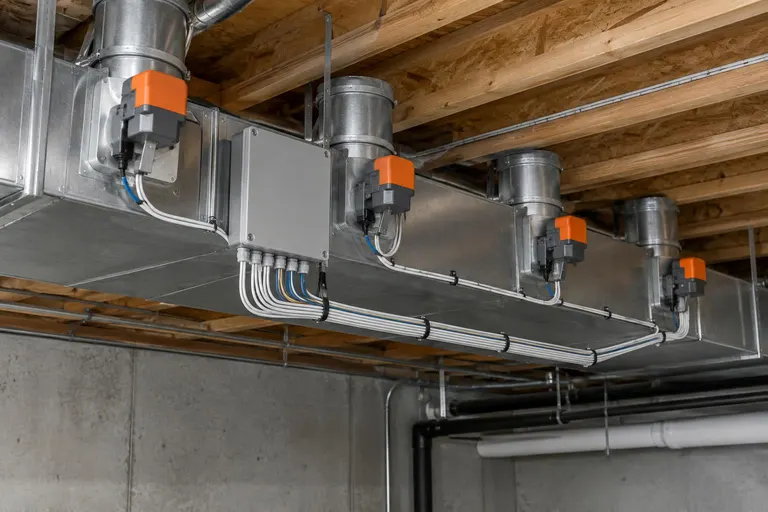 DuctworkZoned HVAC SystemsOne system, many climates.
 Thermostats and EfficiencyVariable-Speed and Two-Stage SystemsRight-sized output, every hour.
 Tune-Ups and Emergency CareHVAC Tune-UpsSmall checks, fewer breakdowns.
Schedule Painter questions
Should I repair or replace my system?
A repair makes sense when the system is in its middle years and the fix is small compared with a new one. A big repair on an old or failing system is usually money better spent on replacement. We show you both options in writing, and our Life Clock shows where your equipment sits in its typical life.
What size system does my house need?
Size depends on far more than square footage: insulation, windows, sun, ducts and how people use the house. An oversized system cools fast, shuts off early and leaves the air humid. We calculate the load instead of copying the old unit, and our Tonnage Finder gives you a starting range.
How often should I have my system serviced?
Once a year for each system is a good habit: cooling in spring and heating in fall. A tune-up cleans, measures and tests, so small problems are found before they become breakdowns. A maintenance plan puts it on a schedule.
Want a thermostat that does this for you?
We install and set up smart thermostats and matched controls, and show you how to use them.